Destination Dining in Singapore: Why “Near Me” Is No Longer Enough

In Singapore, where a good meal is rarely far away, why are people still willing to cross the island for dinner?
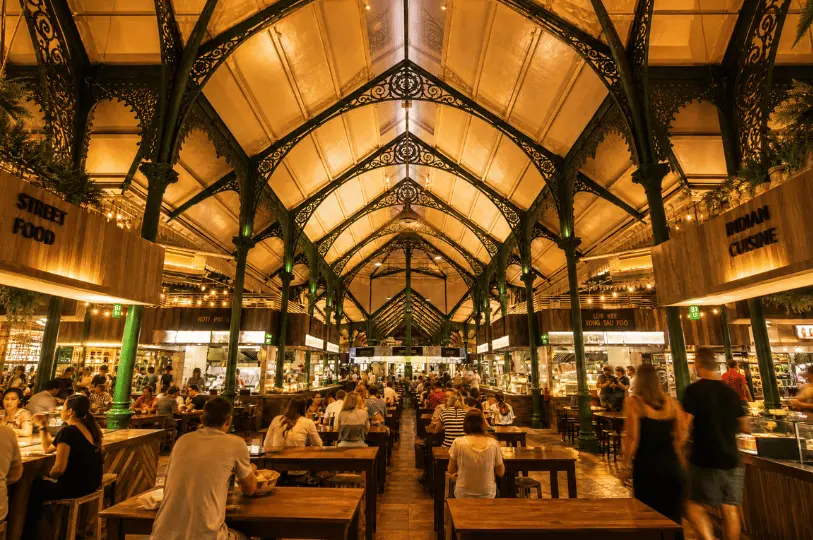
Think about it for a second. Most of us live within walking distance of a hawker center, a kopitiam, and at least three places that do a very respectable plate of fried rice. Food here isn’t scarce. It’s everywhere, at almost every hour.
And yet, on a Saturday evening, you’ll find people riding the MRT from Punggol to the city center, or booking a ride from Jurong to Joo Chiat, all for one dinner at one table.
That’s the shift worth paying attention to. It’s less about what we eat and more about why we’re willing to go somewhere for it.
From “Where’s Nearby?” to “Where’s Worth It?”
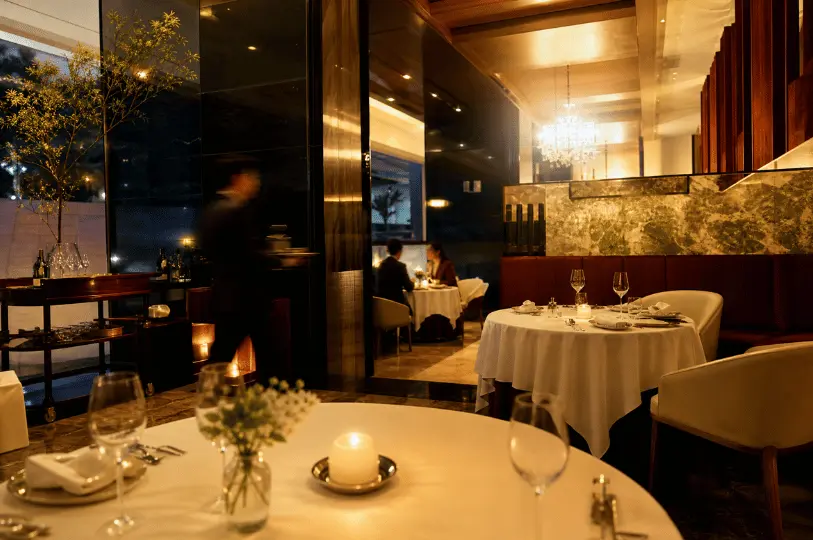
For a long time, the default dining question in many Singapore households was simple: where should we eat nearby?
It made sense. Convenience has always been part of how this city eats. Food courts under offices. Hawker stalls at the foot of HDB blocks. Dinner was something you fit around your day, not something you built your day around.
We’ve noticed a second question showing up alongside the first: where is worth making plans for?
That second question has a different energy. It comes with a reservation, a date on the calendar, maybe an outfit decision. It turns a meal into an outing.
This doesn’t mean convenience is dead. Nobody is crossing the island for a Tuesday lunch between meetings. Most weeknight meals are still about what’s close, fast, and good enough. But for birthdays, anniversaries, catch-ups with old friends, or just a weekend when you want to feel like you went somewhere, the calculation changes.
Distance stops being a cost. It becomes part of the experience.
A Shift Worth Noting
Destination dining isn’t only about expensive or famous restaurants. It’s about any place diners are willing to travel for, whether that’s a tasting menu, a heritage kitchen, or a neighborhood spot with a loyal following. What defines it is intention, not price.
Dining as a Weekend Activity
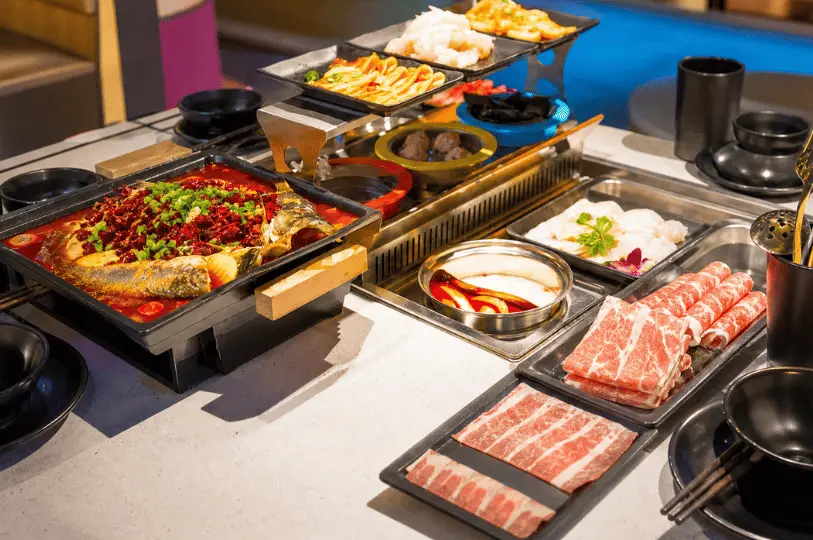
Somewhere along the way, dinner for many people became less of a meal and more of a plan.
A food-focused outing might start with a walk through a neighborhood, often surrounded by lush greenery, move to a bar for a drink, settle into a long dinner, and end with dessert somewhere else entirely. The restaurant is the anchor, but the whole evening is the point.
For couples, it’s the anniversary dinner that took three weeks to book. For friends, it’s the group chat that spent four days deciding where to go. For families, it’s the birthday table where three generations sit together, and the grandparents quietly check whether the food is as good as they remember.
Travelers from around the world are part of this too. Some visitors now plan their Singapore trips with restaurants on the itinerary, alongside the usual sights. For food enthusiasts, a meal can be the reason they came, not just something they did between attractions.
This is where the idea of destination dining in Singapore really takes shape. The restaurant becomes a place you go to, not just a place you happen to be.
What Restaurants in Singapore Are Doing Differently
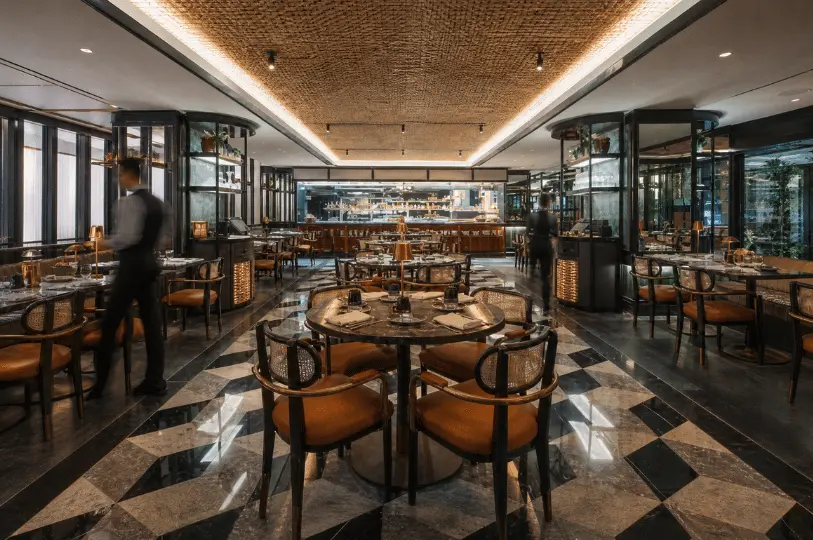
If diners are asking “is this worth the trip?”, restaurants have had to answer that question in ways that go beyond the plate.
Food still matters most. A beautiful room won’t save a bad meal. But the reasons people remember a restaurant have widened.
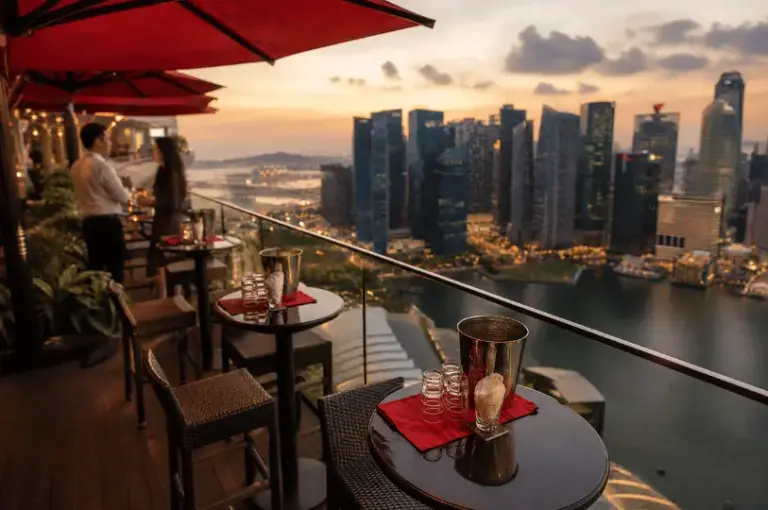
Design and setting. A room can tell you what kind of evening you’re about to have before the first course arrives. Some restaurants lean on heritage buildings. Others use lush greenery, terraces, or views that take dining to new heights, creating a sense of escape.
Open kitchens. Watching the kitchen at work turns cooking into something you witness, not just something you receive. It adds transparency, and a little theater too.
Storytelling. More restaurants are explaining where their ideas come from: a grandmother’s recipe, a region, a season, a memory. The story gives your taste buds something to hold onto.
Distinct formats. Tasting menus, counter seating, and chef-led experiences all ask diners to slow down and let the kitchen lead.
What Makes a Restaurant Worth Travelling For
A few examples show how different these paths can look.
Odette, situated inside National Gallery Singapore, is known for contemporary French tasting menus built around seasonality. Part of its draw is the meal. Part of it is the setting, where a dinner reservation comes with a national art museum attached. It reflects how location and concept can work together to make an evening feel complete.
Les Amis, located at Shaw Centre, takes a different route. It’s renowned for French culinary traditions and an extensive wine program. In a scene that often chases novelty, it shows that tradition itself can be a reason to travel.
Meta brings Korean and French influences together in contemporary tasting menus. Its appeal speaks to curiosity: the idea that diners will make plans for a meal they can’t quite imagine until they taste it.
Seroja focuses on contemporary interpretations of Malaysian flavors. It points to something bigger happening in the region, where familiar food is being looked at again, closely and with care.
These four restaurants are recognized in the MICHELIN Guide Singapore 2026 selection. But recognition is only one part of the story. What they share is a clear identity. You know what you’re going for. For diners curious about how these different identities come together across Singapore’s restaurant scene, exploring restaurants that deserve a spot on your dining list can be a useful starting point.
Peranakan Cuisine and the Search for a Sense of Place
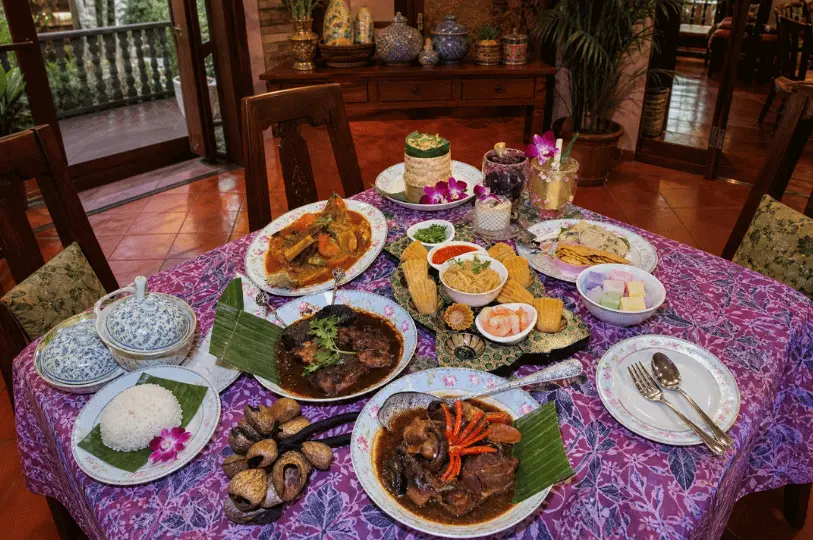
When people travel for a meal, are they also looking for a sense of place?
In Singapore, the answer often seems to be yes.
Peranakan cuisine is a good example. Its richness is layered, sometimes spicy, sometimes sweet, and tied closely to family, heritage, and home. For many locals, it’s the taste of a grandmother’s kitchen. For visitors, it’s a window into a culture that is distinctly of this region.
So when diners go looking for Peranakan food, especially in areas like Joo Chiat where the heritage is still visible in the shophouses, they’re often looking for more than a menu. They want context. They want to understand.
The same goes for modern Singaporean cuisine more broadly. Chefs reworking familiar dishes invite diners to savour flavors they grew up with, but from a new angle. It can be comforting. It can also be a little strange, in a good way.
There’s a tension here worth being honest about. Some people feel that local food belongs at the hawker stall, and that putting it on a fine dining table risks losing something. Others see it as a way to honor heritage and give it the attention it deserves.
Both views have weight. And the fact that people care enough to argue about it says a lot about how personal Singaporean cuisine is.
How Restaurants Become Destinations Before You Arrive
Many restaurants become destinations long before anyone sits down.
Recognition plays a part. An award or guide listing can introduce a restaurant to people who might never have found it otherwise. But it’s not the only path, and often not the most powerful.
Social media has changed how people discover places. One photo of a dish, one short video of a kitchen at work, and suddenly a restaurant is on someone’s list. It’s fast, visual, and sometimes a little unreliable.
Word of mouth is still the quiet heavyweight. A friend saying “you have to go, trust me” carries a kind of weight no algorithm can match. Food communities, both online and off, trade recommendations constantly.
The honest challenge is that hype and substance don’t always line up. A restaurant that looks great online may not deliver in person. And some of the most meaningful places never trend at all.
So a good Singapore food guide, whether it’s a publication, a friend, or your own memory, still matters. It helps you sort the noise from the real thing.
The Tensions Within the Shift
Not everything about destination dining is simple or positive.
Accessibility vs. exclusivity. Many destination restaurants involve advance booking and higher prices. That can leave some diners out, and it can make everyday food feel less valued by comparison.
Convenience vs. experience. Not everyone has the time or energy to plan meals like weekend trips. Singapore’s busy work culture means convenience will always have a strong place at the table.
Authenticity vs. adaptation. As restaurants design experiences to attract guests, some worry that concept can start to outweigh character.
These tensions don’t cancel the shift. They just remind us that it isn’t the only way Singapore eats, and it doesn’t need to be.
What This Shift Tells Us About How Singapore Eats
Singapore has always loved food. That part isn’t new.
What seems to be changing is what we want from it. For many diners, a meal isn’t only about filling up anymore. It’s about where you went, who you were with, what you learned, and how the evening felt.
The variety here makes that possible. So does the size of the island. You can indulge in a French tasting menu one weekend and sit down to Peranakan food in Joo Chiat the next, without ever leaving home.
Restaurants and diners are shaping each other in real time. Diners ask for more meaning. Restaurants respond with story, setting, and care. And the cycle continues.
Maybe that’s the real change. The future of the Singapore dining experience may not be about finding the nearest good restaurant. It may be about discovering the places that make the journey feel worthwhile. For more stories on how the city eats, explore bestdiningguide.sg.