Meta Restaurant Mohamed Sultan: A Meal Shaped By Memory, Korean Roots And Change

Most chefs eventually find their way back to the food they grew up with.
Some take the long way around.
Sun Kim was born in Busan and raised in Seoul. His first lessons in Korean food came from his mother’s gamja-tang eatery, a dish whose name begins with the Korean word for potato. His training came much later and much farther away: under chef Tetsuya Wakuda at Tetsuya’s in Sydney, then at Waku Ghin in Singapore.
When he opened Meta in 2015, he called it after the thing that would come to define it. The name is short for metamorphosis.
The name has turned out to be accurate.
Meta Restaurant Singapore: A Restaurant Built Around Evolution
Meta first opened in November 2015 on Keong Saik Road. In those early years, Kim’s cooking was more closely tied to Japanese and European food, and to Asian cuisine read through French technique.
Over time, the direction shifted. The kitchen drew closer to Korean heritage and to comfort food. That is the kind most of us first knew at a family table, long before we knew what a tasting menu was.
In 2023, Meta moved to 9 Mohamed Sultan Road. It received its second MICHELIN Star in 2024, and it holds Two MICHELIN Stars in the MICHELIN Guide Singapore 2026 selection. It has also appeared on Asia’s 50 Best Restaurants since 2021.
These honors explain the attention. They don’t explain the restaurant. That distinction is central to how Best Dining Guide looks at restaurants: awards can tell you where a restaurant sits in the dining landscape, but the experience tells you why you might remember it.
The more interesting story is simpler. Meta is a restaurant that has grown up alongside its chef.
The Meta Restaurant Menu and Sun Kim’s Point of View
Meta serves a fixed tasting menu. It moves through a wide variety of seafood, vegetables, a few meat courses, and sweet courses. The menu changes with the seasons.
The cooking is a contemporary reading of Korean flavors. It is not a reproduction of traditional dishes. It draws on Korean heritage, Kim’s childhood memories, modern technique, international training, and seasonal produce.
One dish shows the thread well. The Jeju abalone with kamtae and lily bulb has been on the menu since Meta’s early period, according to the MICHELIN Guide, which highlights its contrasting textures. The Guide has also described a version served with gochujang seaweed risotto.
Treat it as a window into the kitchen rather than a promise. Menus change, and what you find may look different.
What Makes the Food Stay in the Mind?
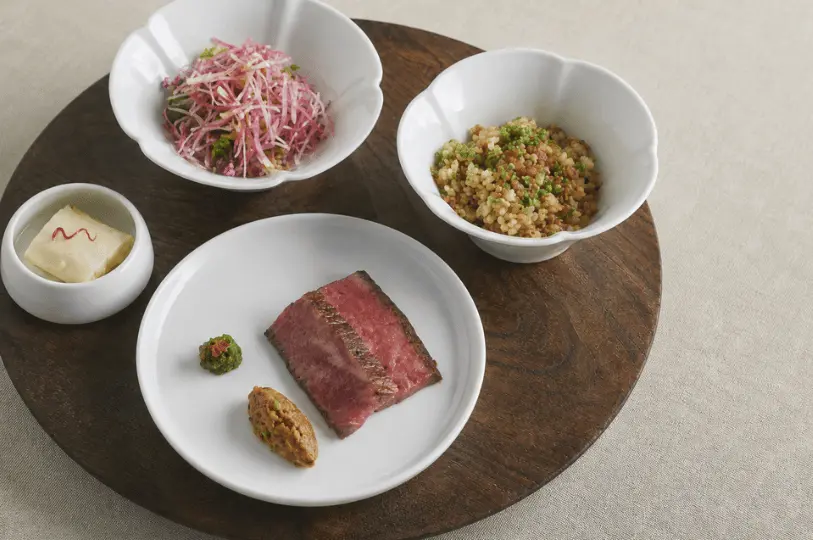
The better question here is not what is the best dish.
It is what does the food say about the person cooking it.
At Meta, the answer seems to be memory, carefully refined. You can trace Busan and Seoul in the flavors, and Sydney and Singapore in the technique.
Earlier posts from the restaurant’s journey document dishes such as Korean short-grained rice with homemade sambal. These are historical examples, not current offerings. Still, they show something steady. Rice, the most everyday thing on a Korean table, was given the same care as the prawn beside it.
That may be what lingers. The kitchen is not reaching for novelty. It is reaching back, then bringing what it finds forward.
The dishes support a narrative of heritage and evolution, inviting the diner to explore a palate shaped by diverse culinary influences.
Perhaps that is what makes Singapore’s dining scene so interesting: the restaurants that stay in our minds are rarely memorable for just one dish. They carry a point of view, a history, or a way of seeing food that makes us curious to keep exploring Best Dining Guide SG.
The Details That Shape the Evening
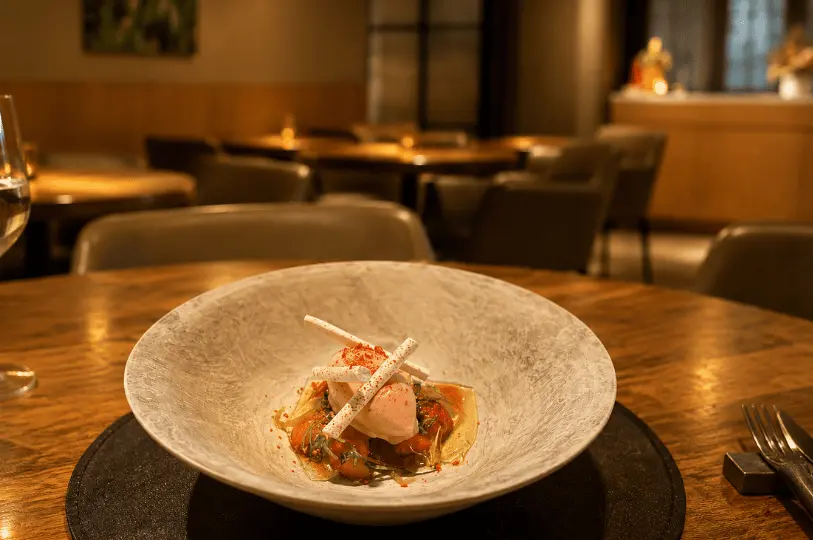
Dinner at Meta takes time. The restaurant asks you to plan for about two and a half hours.
Dinner runs Monday to Saturday from 6:00 PM to 11:00 PM. The first seating is at 6:00 PM, and a second seating at 8:30 PM is offered on Fridays and Saturdays only. Lunch is served Friday and Saturday from 12:00 PM to 3:00 PM, with the last seating at 1:00 PM. The restaurant is closed on Sunday.
Reservations are required. Each diner needs a S$200 deposit, held as an authorization on a credit card. Reservations are final.
Any changes must be made by email at least 72 hours before your reservation date. If you make changes with less than 72 hours’ notice, the full menu amount may be charged. If your party shrinks at the last minute, the S$200 deposit for each absent diner may be forfeited.
The dress code is smart casual. Flip-flops, slippers, and shorts are not allowed. Children aged 7 and above are welcome if they can enjoy the full tasting menu.
Price and What the Experience Involves
Lunch: S$248++ per diner, Friday and Saturday
Six-course dinner: S$288++ per diner, Monday to Thursday, on request
Eight-course dinner: S$328++ per diner
Beverage pairing: S$280++
Non-alcoholic pairing: S$120++
Corkage is S$200++ per 750ml bottle, and Meta also operates a 1-for-1 Bring Your Own Bottle policy.
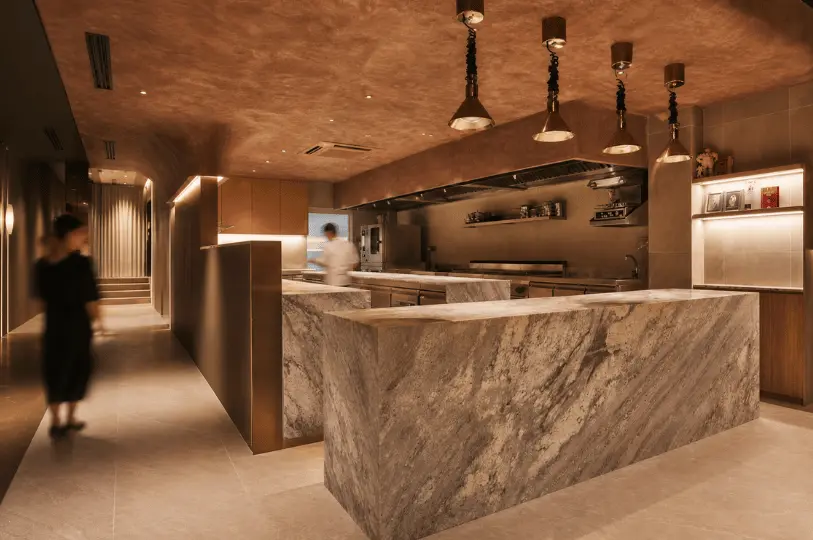
In practical terms, the price covers a multi-course seasonal menu, an open-kitchen setting, and a long evening. The pace of the meal is part of what you are paying for.
Who Meta May Suit
Meta may appeal to diners drawn to contemporary Korean cooking, or to anyone curious about a tasting menu led by a single chef. It also suits people marking an occasion that deserves an unhurried evening.
It may mean the most to those who think of food as memory.
Guests should be comfortable with a menu built around seafood. With advance notice, the kitchen can adjust for certain dietary restrictions. However, Meta states that it cannot accommodate non-seafood, dairy-free, egg-free, vegan, or gluten-free diets.
Final Thoughts: What Remains After Meta?
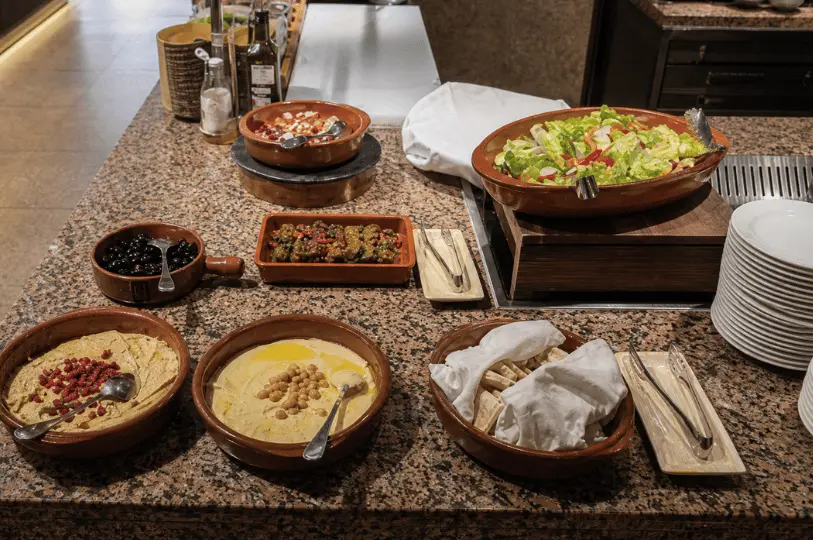
A restaurant named for change could easily become restless.
Meta seems to have done the opposite. Each change has brought it closer to where its chef began: a Seoul eatery, a mother’s kitchen, a pot of something that started with potatoes.
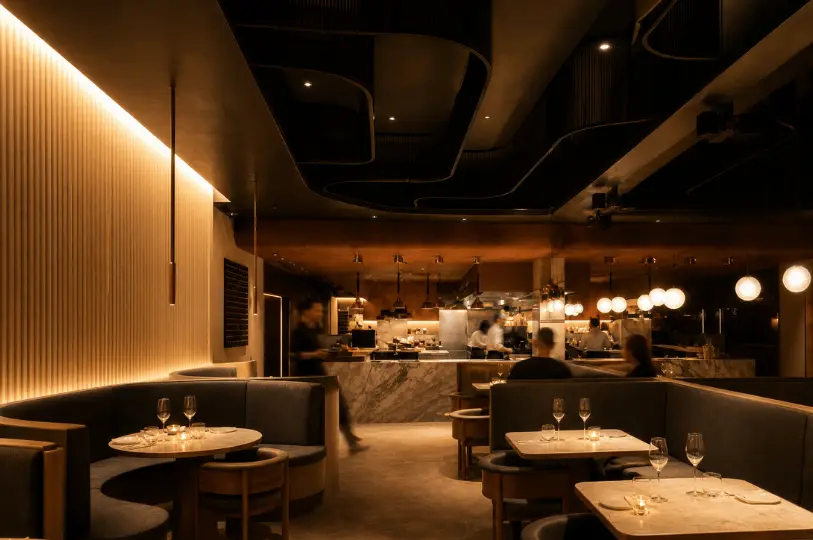
The move to Mohamed Sultan Road gave that story a room of its own. There is an onggi-shaped counter at the door and a kitchen open to the table.
The diner who may carry it home is not the one counting stars. It is the one who has ever tasted something and suddenly been somewhere else, years ago, at a smaller table.